
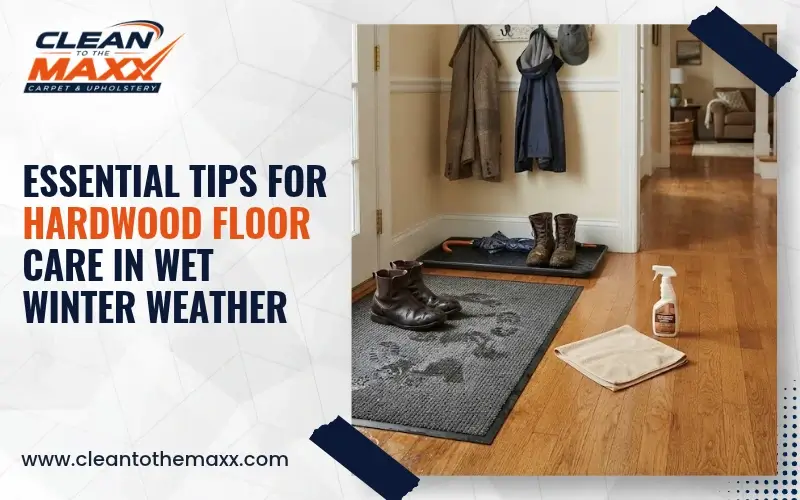
When the rain rolls in and the tule fog settles over the valley, your hardwood floors are the first thing to feel it. Wet boots, damp pet paws, muddy backpacks, and humid air all end up on the same beautiful wood you work so hard to keep looking good. Left unchecked, that moisture can leave behind dull patches, warped boards, and expensive repairs.
Following a few practical habits can help homeowners maintain their flooring throughout the season. With the right approach to hardwood floor care in wet winter weather, you can minimize moisture-related problems and keep your floors looking their best.
How To Protect Hardwood Floors In Winter: 7 Practical Tips
A consistent wet-weather hardwood floor maintenance routine can make a significant difference when outdoor conditions change. These winter hardwood floor care tips can help reduce everyday exposure to moisture, dirt, and other sources of damage.
1. Place Doormats at All Entry Points
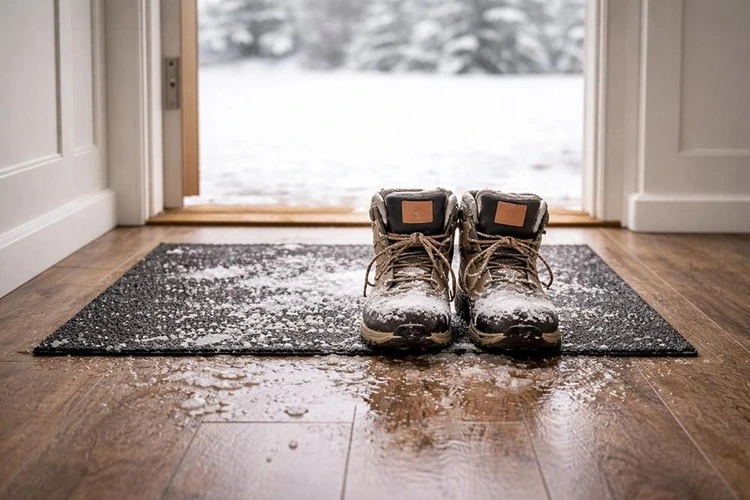
Entryways are among the first places where rainwater, mud, and dirt reach your flooring. Place absorbent doormats both outside and inside frequently used doors to catch moisture before it spreads indoors.
Choose mats with non-staining, hardwood-safe backings to avoid transferring color or moisture to the surface. Remember to clean and dry them regularly, as damp mats can hold moisture against the floor.
2. Remove Wet Shoes Before Walking on Hardwood Floors
It sounds simple, but a “shoes off at the door” habit might be the single most effective winter rule for hardwood floor care in wet winter weather. Wet soles carry water, grit, and sometimes de-icing salts or soil chemicals that dull the finish over time.
Set up a small boot tray or shoe rack near the entrance, and keep a basket of slippers or clean socks nearby for guests. If shoes-off isn’t realistic for your household, at least encourage everyone to wipe their feet thoroughly on the mats.
3. Clean Spills and Tracked-In Water Immediately
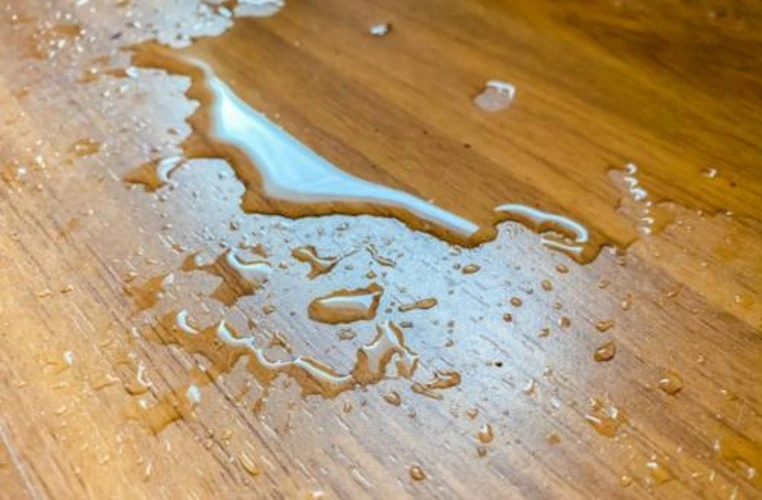
Even a well-sealed floor isn’t waterproof. Standing water can seep between boards and into the seams, where it’s much harder to dry out. Keep a dry microfiber towel near the door and wipe up drips, puddles, and wet paw prints as soon as you see them.
For larger spills, blot first, then wipe the area with a slightly damp cloth, and finish with a dry one. Never let water sit overnight, especially along baseboards and near doors.
4. Sweep or Vacuum Away Dirt and Grit Regularly
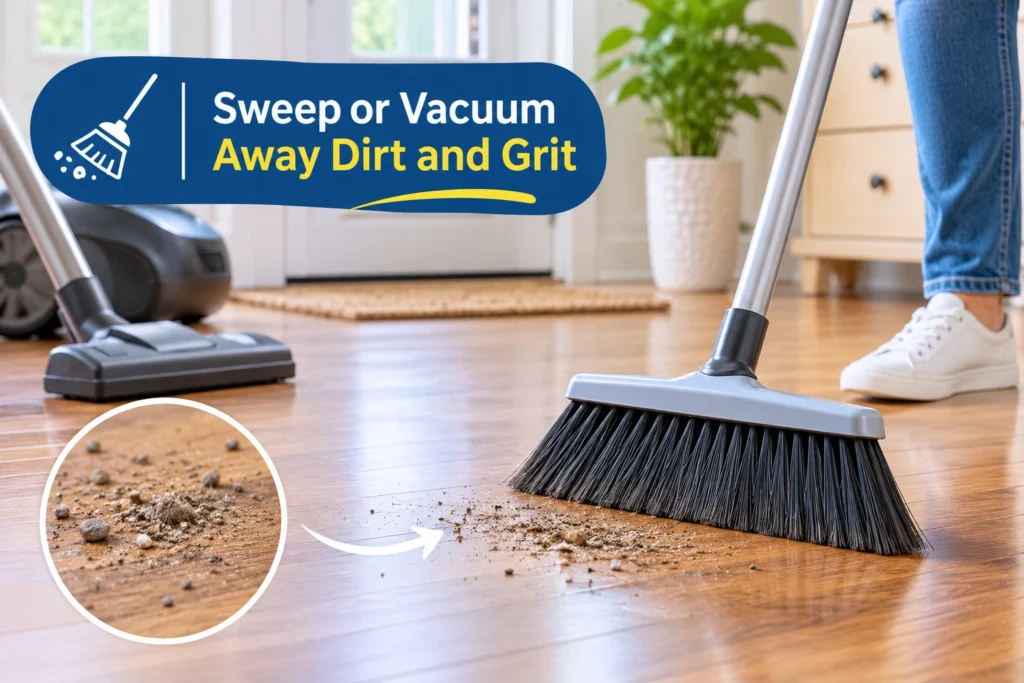
Mud and gritty particles can act like sandpaper when people walk across the floor. Over time, they may leave fine scratches and make the finish look dull. Sweep regularly with a soft-bristled broom or vacuum using a hardwood-safe setting and suitable attachment. Focus on entryways, hallways, and other busy areas where debris tends to accumulate.
5. Use Hardwood-Safe Cleaning Products and Methods
Knowing how to clean hardwood floors in winter without introducing excess moisture is essential. Use a cleaner formulated for your flooring’s specific finish and follow the manufacturer’s instructions.
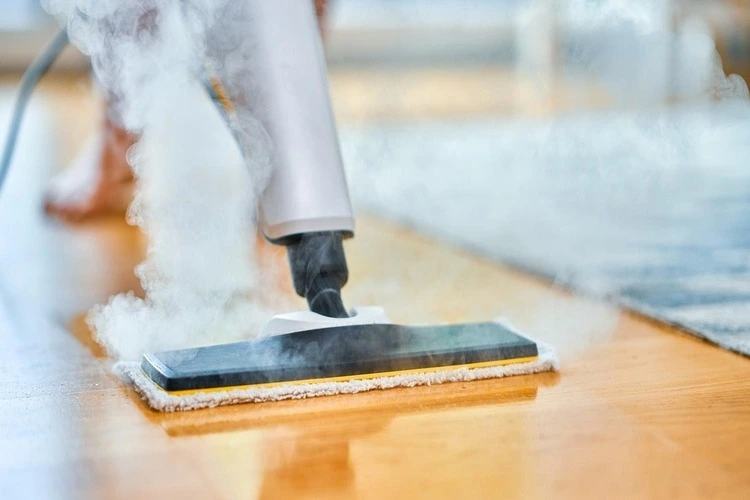
A microfiber mop that is only slightly damp is generally preferable to a soaking-wet mop. Avoid steam cleaners, abrasive scrubbers, and harsh chemicals that may affect the protective coating. Always test an unfamiliar product in a discreet area first.
6. Maintain Consistent Indoor Humidity Levels
Indoor humidity can change during winter as heating systems operate and outdoor conditions fluctuate. Excessive moisture may encourage wood expansion, while overly dry indoor air can contribute to shrinking and gaps between boards.
Monitor humidity with a hygrometer and follow the flooring manufacturer’s recommended range, commonly around 35% to 55%. A humidifier or dehumidifier may help maintain more stable conditions when needed.
7. Schedule Professional Hardwood Floor Cleaning and Maintenance
Even with great daily habits, hardwood benefits from a professional deep clean now and then. Over time, a thin layer of grime and residue can build up in ways that regular mopping can’t reach. Professionals use the right products and techniques to lift that buildup without over-wetting the wood or harming the finish.
If you are wondering how often to clean hardwood floors in winter, a simple rhythm works well: sweep or dust mop daily in busy areas, damp mop lightly once a week, and book a professional hardwood floor cleaning once or twice a year, ideally before the rainy season starts or when you notice the finish looking dull.
Common Hardwood Floor Care Mistakes to Avoid During Winter
Even well-intentioned cleaning habits can create problems when the wrong methods are used. During winter, excess moisture and accumulated dirt can make hardwood floors more vulnerable to damage. Avoid these common mistakes to keep your flooring in good condition throughout the season.
A Simple Winter Floor Care Reminder
Keep moisture under control, clean dirt regularly, and use hardwood-safe cleaning products. A few simple precautions can help preserve your floors throughout winter.
Signs Your Hardwood Floors May Have Moisture Damage
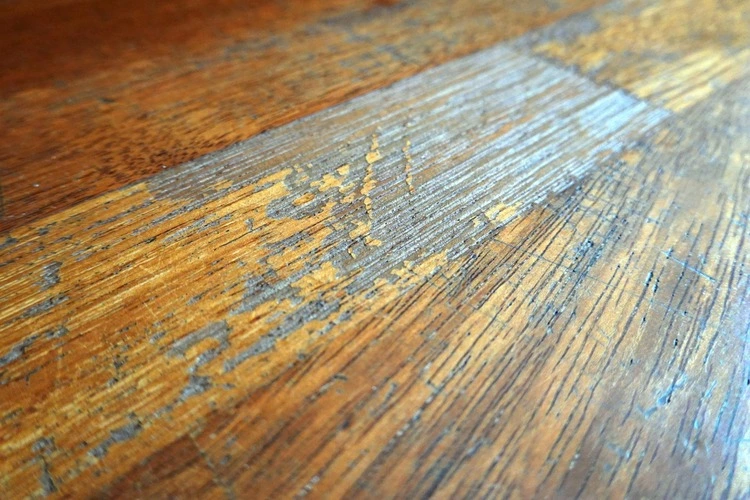
Moisture damage is not always obvious at first, but small changes in your flooring can indicate a developing problem. Catching moisture trouble early can save your floors and help prevent more extensive repairs. Keep an eye out for these warning signs:
- Boards with raised or curled edges (cupping)
- White or cloudy spots on the finish
- Dark stains or discoloration, which can signal that water has soaked in
- Gaps opening between planks, or boards that feel loose
- A musty smell near floors or baseboards
- A sticky, dull, or hazy appearance that cleaning doesn’t fix
If you notice any of these, dry the area as quickly as possible and have the floor checked by a professional before the damage spreads.
Keep Your Hardwood Floors Protected Throughout Winter
Wet winter conditions can put hardwood flooring to the test, but a little extra attention can go a long way. From keeping water and dirt away from entryways to using suitable cleaning methods and maintaining balanced indoor humidity, small preventive steps can help preserve your floors’ appearance and reduce moisture-related damage. Making these habits part of your regular routine is key to effective hardwood floor care in wet winter weather.
When everyday cleaning is not enough, professional attention can help restore the freshness of your flooring. At Clean To The Maxx, we provide professional hardwood floor cleaning for homeowners in Hanford and surrounding Central Valley communities. Our IICRC-certified team uses professional equipment and carefully selected cleaning solutions to address accumulated dirt and buildup while caring for your flooring.
Get in touch with us today and give your hardwood floors some extra care this winter!
FAQs
1. What happens to hardwood floors when wet?
Wood can absorb moisture, causing boards to swell, cup, or buckle. Prolonged exposure may also lead to discoloration, stains, and deterioration of the finish. The extent of the damage depends on how much water reaches the floor and how long it remains there.
2. What should you never use on hardwood floors?
Avoid steam cleaners, abrasive scrubbers, soaking-wet mops, and harsh chemicals unless the flooring manufacturer specifically approves them. Products containing ammonia or bleach may also damage certain finishes. Always choose cleaning products suited to your floor’s material and protective coating.
3. What is the best way to dry wet hardwood floors?
Start by removing standing water with absorbent towels or microfiber cloths. Improve air circulation using fans and maintain suitable indoor humidity. Avoid directing intense heat at the floor, as sudden temperature changes may cause additional problems. If water has seeped beneath the boards, seek professional help.
4. How do professionals clean hardwood floors?
Professionals first assess the floor’s material, finish, and condition before selecting an appropriate cleaning method. They use suitable products and equipment to remove accumulated dirt and residue without unnecessarily saturating the wood. The process is tailored to the flooring to help preserve its appearance and finish.