
Quick Answer: The best way to keep bathroom tile and grout mold-free is to control moisture, improve ventilation, dry wet surfaces, and clean grout regularly. Fixing leaks and damaged grout quickly can also prevent mold from returning.
A warm shower can make your bathroom feel fresh and relaxing, but the moisture it leaves behind can create an ideal environment for mold. When humidity stays high and water collects around grout lines, corners, and other hard-to-dry areas, mold will gradually develop.
Fortunately, preventing mold does not require constantly scrubbing your bathroom. A few consistent habits, combined with proper cleaning and moisture control, can make a noticeable difference. In this blog, we will cover how to keep bathroom tile and grout mold-free and maintain a cleaner shower area.
Main Causes of Mold in Bathroom Tile and Grout
Mold thrives in damp, humid environments, which makes bathrooms particularly vulnerable. Showers and tubs can leave behind moisture that lingers on tile and grout, especially when ventilation is limited. Common conditions that can encourage mold growth include:
- Excess moisture: Standing water and consistently damp surfaces create favorable conditions for mold.
- Poor ventilation: Limited airflow allows humidity to remain trapped in the bathroom.
- Soap and dirt buildup: Residue on tile and grout can contribute to surface buildup over time.
- Leaks: Dripping fixtures or hidden plumbing leaks can keep certain areas persistently damp.
- Damaged grout: Cracks or gaps can allow moisture to reach areas that are difficult to dry.
These conditions can contribute to mold in bathroom tile and grout, particularly around shower corners, grout joints, and other areas with limited airflow.
Signs of Mold in Bathroom Tile
Recognizing mold early can help you address the problem before it becomes more difficult to manage. Look for:
- Dark spots or patches on grout
- Unusual discoloration around shower corners
- A persistent musty odor
- Areas that remain damp longer than surrounding surfaces
If dark growth keeps coming back, look beyond the visible spot. Persistent moisture, poor ventilation, or a leak may be contributing to the problem.
How to Keep Bathroom Tile and Grout Mold-Free: 8 Practical Ways
Keeping mold at bay starts with controlling the moisture it needs to grow. A few practical changes to your routine can reduce dampness, limit buildup, and make the bathroom less inviting to mold. Here’s how to keep grout mold-free:
1. Improve Bathroom Ventilation
Good airflow is one of the simplest bathroom grout mold prevention tips. Run the exhaust fan while showering and for some time afterward to remove humid air. If appropriate, opening a window or leaving the bathroom door ajar can also improve airflow and allow surfaces to dry faster.
2. Dry Tile and Grout After Showering
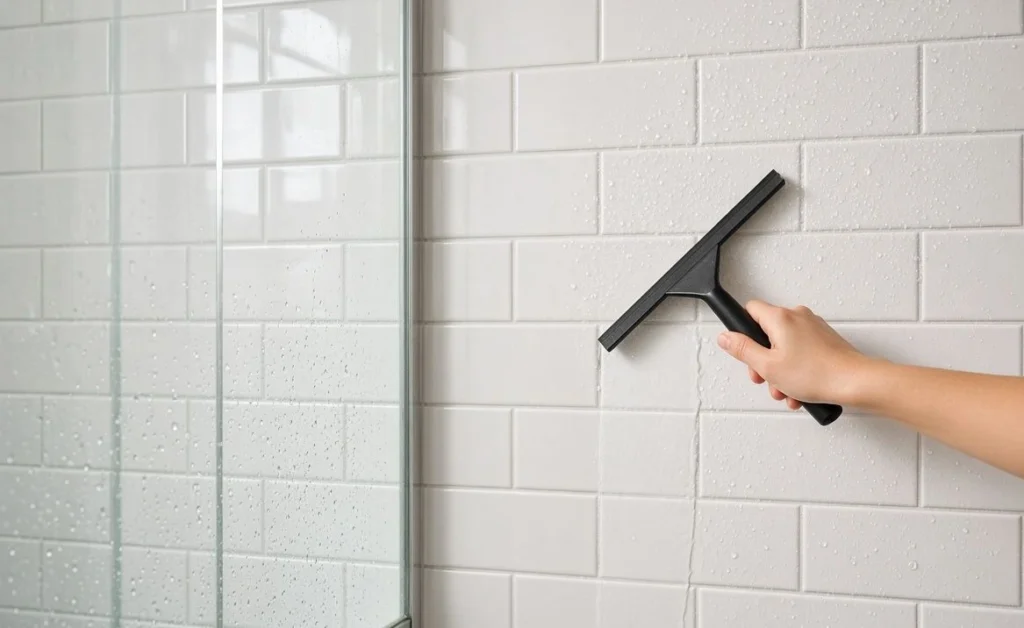
Water left sitting on shower walls and floors gives mold more opportunity to grow. Use a squeegee to remove excess water from tiled surfaces after showering, paying particular attention to grout lines and corners. Drying the bathroom regularly is one of the natural ways to prevent mold in grout.
3. Clean Tile and Grout Regularly
Regular cleaning helps keep soap scum, body oils, dirt, and other residue from accumulating on bathroom surfaces. The best way to prevent mold in shower grout is to give extra attention to grout lines, shower corners, and other areas where moisture tends to linger.
How to Clean and Prevent Grout Mold
Keeping grout clean and dry can go a long way toward limiting mold growth. Follow these simple steps to remove buildup and reduce the moisture that mold needs to thrive.
- Choose a suitable cleaner
Use a tile and grout cleaning product that is appropriate for your specific surface. - Apply and gently scrub
Work the cleaner into the grout lines with a suitable brush to loosen dirt and buildup. - Rinse thoroughly
Remove the loosened residue and any remaining cleaning solution from the surface. - Dry the area completely
Wipe away excess water and allow the bathroom to air-dry. Keeping grout dry is an important part of preventing mold from returning.
You can also review our guide on tile and grout cleaning dos and don’ts to avoid common cleaning mistakes.
4. Pay Extra Attention to Grout Lines
Grout lines often hold onto moisture and residue more easily than smooth tile. Shower corners, joints, and areas around fixtures deserve extra attention because they may stay damp longer.
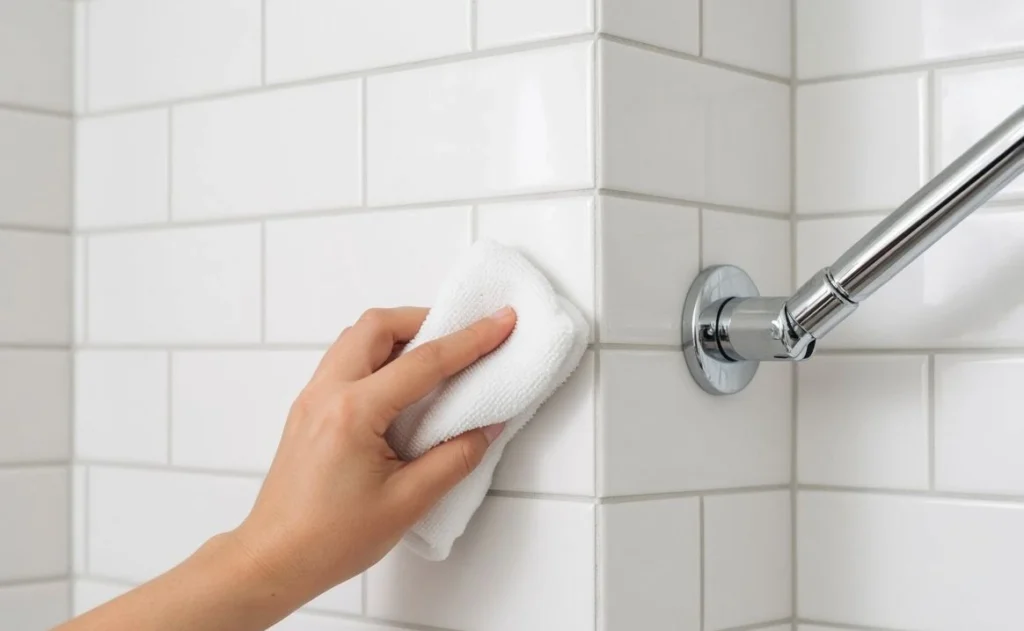
If you are wondering how to stop mold growing on grout, consistent drying and targeted cleaning are more useful than waiting until visible mold becomes a problem.
5. Fix Leaks and Plumbing Issues Quickly
A small leak can create a surprisingly persistent moisture problem. Check around faucets, showerheads, pipes, and other fixtures for dripping or seepage. Address plumbing problems promptly, and do not ignore grout that remains damp even after the rest of the bathroom has dried.
6. Keep Shower Curtains and Mats Dry
Bathroom fabrics can retain water and increase humidity when they remain damp. Spread shower curtains out after use so they can dry properly, and hang wet bath mats rather than leaving them bunched on the floor. Regularly washing these items can also reduce accumulated moisture and residue.
7. Inspect and Repair Damaged Grout
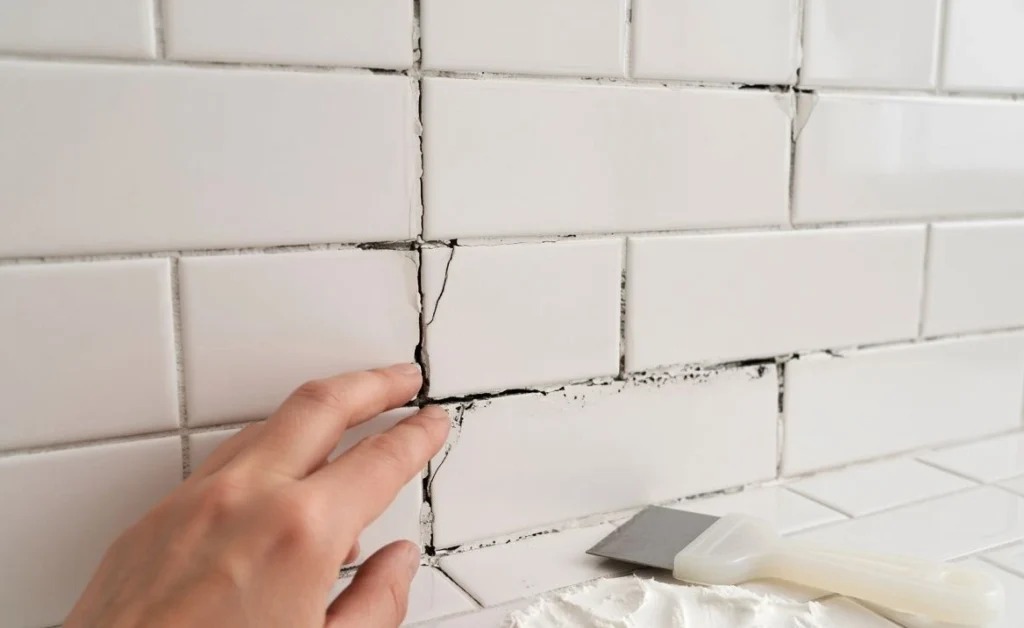
Cracked, loose, or deteriorating grout can allow water to reach areas that are difficult to dry. Inspect your grout periodically and repair damaged sections when necessary. If you are considering mold-resistant grout, remember that the material alone cannot replace proper ventilation, cleaning, and moisture control.
8. Consider Professional Tile and Grout Cleaning
Routine maintenance may not be enough when grout has heavy buildup, persistent discoloration, or mold that keeps returning. Professional tile and grout cleaning can provide a deeper clean and address grime in areas that are difficult to reach with everyday tools.
Schedule Professional Tile and Grout Cleaning for a Mold-Free Bathroom
Knowing how to keep bathroom tile and grout mold-free comes down to managing moisture before it becomes a bigger problem. Regular cleaning, proper ventilation, thorough drying, and timely repairs can help limit mold-friendly conditions and keep your bathroom fresh and well maintained.
When routine cleaning is no longer enough, at Clean To The Maxx, we can help restore tile and grout with professional cleaning services for residential and commercial spaces. Our approach includes eco-safe deep extraction, mold and mildew treatment, and grout sealing to remove stubborn buildup and maintain clean, well-cared-for surfaces.
It’s time for a deeper clean! Book a professional cleaning today and bring back the clean look of your bathroom.
FAQs
1. Is it harmful if there is mold on the walls of your bathroom?
Mold growth should not be ignored, particularly when it is extensive, persistent, or associated with ongoing moisture. Small areas may sometimes be addressed through appropriate cleaning, but recurring or widespread growth may require professional assessment and remediation.
2. Why does mold grow on grout?
Grout can retain moisture and collect soap residue, dirt, and other buildup. Poor ventilation, standing water, and leaks can make these conditions more favorable for mold growth.
3. Which is better for killing mold, bleach or vinegar?
Neither should be treated as a universal solution for every bathroom surface. The appropriate cleaning method depends on the material and the extent of the growth. Never mix bleach with vinegar or other cleaning products, as dangerous fumes can result.
4. Why does mold keep coming back in grout even after I clean it?
Recurring mold may indicate that the underlying moisture problem has not been addressed. Persistent humidity, poor ventilation, leaks, damp corners, or damaged grout can all contribute to repeated growth.
5. Does leaving windows open prevent mold?
Opening a window can improve airflow and help reduce humidity when outdoor conditions allow. However, it is not a complete solution. Proper exhaust ventilation, drying, and regular cleaning are also important.
6. How do you clean and prevent grout mold?
Clean grout regularly with a suitable product, remove buildup, rinse away residue, and dry the area thoroughly. To prevent recurrence, control bathroom humidity, improve ventilation, and address leaks or damaged grout.
7. How often to clean shower grout to prevent mold?
A light bathroom cleaning routine can be performed weekly, with more focused grout cleaning as buildup develops. Bathrooms with frequent use, high humidity, or recurring moisture may need more frequent attention.